Showing posts with label Ruth Stout. Show all posts

Monday, April 12, 2021

Look ma, my asparagus is growing!

Three years ago I purchased Mary Washington asparagus seeds, a variety that is hardy enough for zone 6a, from Rare Seeds. I followed their instructions and all seeds sprouted! I dedicated a whole bed for it, but I didn't plant all 25 because there was no room for them. I planted 12 of them and I gave the rest to a friend. 

The first two seasons I did not the harvest any asparagus spears because you want to develop a strong root system. The first year I saw the ferns grow to be about four feet tall and the asparagus spears grew to about two feet tall. The spears were too thin, though. The first fall, in preparation for the New York winter, I mulched the bed heavily with straw and hay after the fers had died back and I cut them to the ground. The second summer the spears looked much stronger and got really tall. There were spears that were as tall as I am, 5' 10", however that's not a reliable measure because I've been shrinking stradily, but I digress. 

That following late fall/early winter again I mulched the bead heavily after the ferns had died back. During both winters we got a considerable amount of snow, but the plants survived and proved that this variety is indeed very hardy. 

During both summers the ferns got to be so tall that I had to devise a method to hold the ferns upright and not falling on the ground and possibly breaking. I wanted the asparagus to benefit from the sun's energy. Here are a few YouTube videos that I created for my asparagus:

  1. Supporting the ferns.

  2. Winterizing the bed.

  3. Early spring bed maintenance.
This morning, after almost 24 hours of steady, slow, rain I went outside and walked around the garden and I saw several spears that had sprouted! The spears are nice and thick and I'm already planning the first dish where asparagus is the star of the show. 


Please note that I prescribe to the Ruth Stout philosophy where you mulch your garden heavily with straw or leaves or hay. If you are not familiar with this gardening methodology please go to your local library and check out this author's books.

Happy gardening!


Thursday, April 1, 2021

Preparing my Honeoye strawberry bed after the winter

Two years ago I purchased 25 Honeoye (pronounced like "honey-oy) strawberry plants because they are cold hardy for NY and they are good producers of fruit. The first summer, after the planting, I just trimmed the flowers and the runners RELIGIOUSLY and for that reason we did not enjoy any strawberries. That was done so the plants would create strong root system. Last year, though, we collected at least 14 quarts of strawberries. I covered them with chicken wire and protected them from the squirrels and birds. 

Last November I weeded the bed and covered them with 10" of straw. The stayed there, covered in snow all winter. Now though, that there is no chance of snow the time has come for me to clean up the bed.

First, let me say that most materials I used to create the beds were either free or purchased form Restore in Newburgh.

The following picture shows the bed after I removed the thick layer of straw. After removing the straw I placed it temporarily close to this bed because I would need it to add it to the strawberry bed.

Here I am removing any dead strawberry branches and weeds. I try not to disturb the light coating of straw that exists between the strawberries. Last year I noticed that all of my weeds grew right next to the edge of the bed and there was very little straw there covering the dirt. Live and learn.


Here I am adding straw back to the bed. You can see on the left side of the screen the pile of straw that I removed from the strawberry bed. I used most of that to add it back between the plants and the edges of the bed. It's not hard work, but it helps if you have something to kneel on, like my yoga mat.


Here I'm adding more straw around and on top of the plants. The layer that I've added on top is loose and the plants will grow nicely. 


The whole process took less than 45 minutes. There were quite a few dead branches that I've removed and quite a few weeds. Also I pulled about six or seven plants that I already gave my good neighbors. They have been very generous with contributing many buckets a leaves for my beds. Good stuff. 

Happy gardening! 


Saturday, March 27, 2021

I just planted a few potatoes the Ruth Stout way, the lazy way

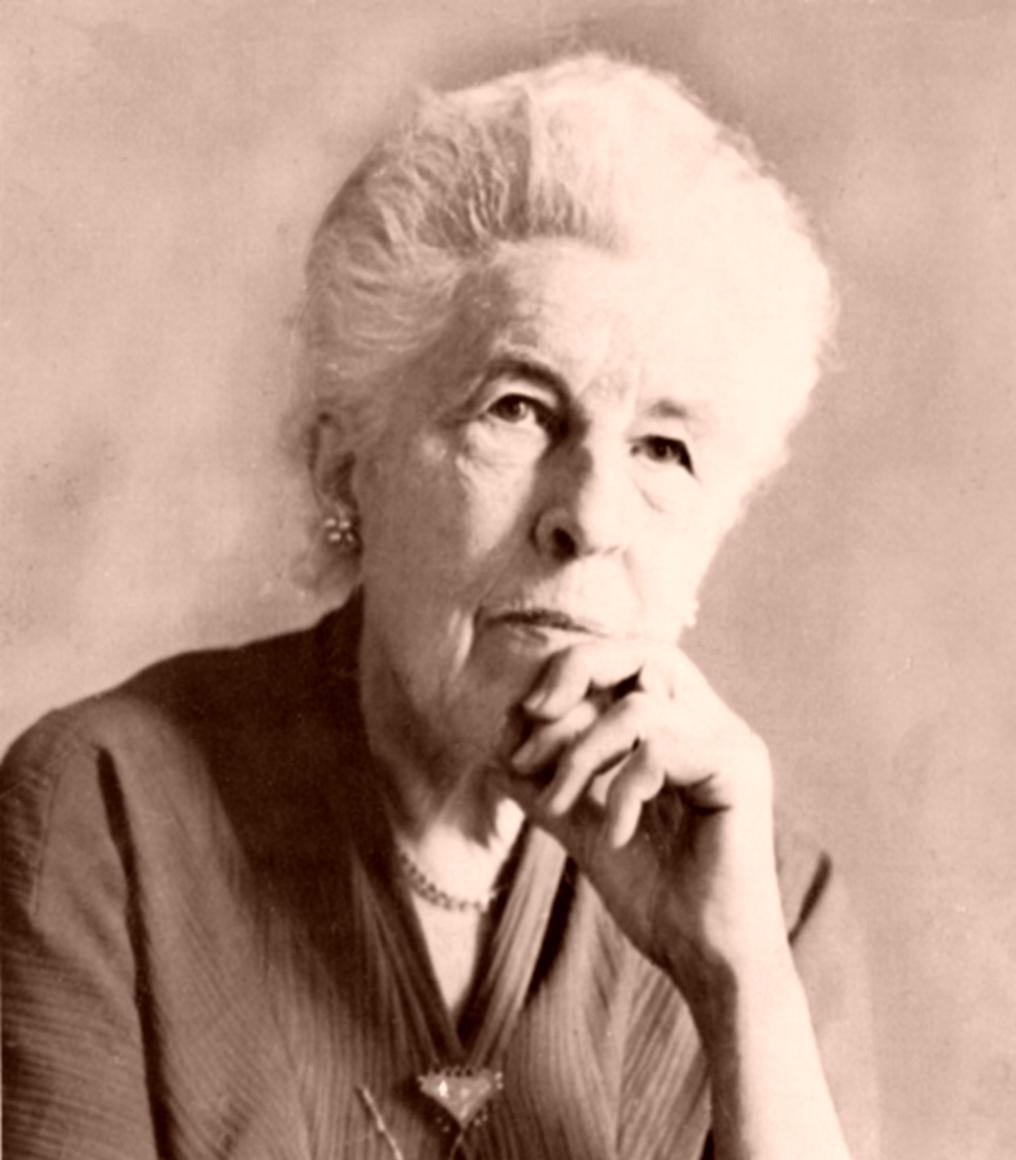
Ruth Stout,  (June 14, 1884 – August 22, 1980) she was an author of gardening books and a "lazy" gardener. She pioneered the deep mulching method that basically eliminates watering and weeding gardens. I learned about her method by watching a film strip, remember them?,  back in the early eighties while I was attending ECCC in upstate NY.

Here is a quick-and-dirty video that demonstrates her way of "planting" potatoes.


The soil in this garden bed is rich in nutrients and has already been used for three years. Basically, you place the potatoes on top of the garden bed and then you cover them with lots of hay. Hay was Stout's prefered milching material. She didn't like leaves and she didn't use straw either. She said NOT to pull any weeds that may come up, but to just add more hay on top of the weeds to kill them.

You can find "bad hay" very cheap if you check your local Craig's List or at any local farms. Usually they go for $2 per bale and I use about four bales every year. 


Tuesday, March 5, 2019

Yesterday I Started Seeds Indoors

In the summer of 2018, I started to garden for the first time. I built one raised bed and planted a variety of vegetables. At the same time, I bought eight 5-US Gallon buckets from Lowe's to plant potatoes in. The planting and growing of the vegetables and potatoes was a huge success! Unfortunately, we had a rainy summer and aside from two green bell peppers, seven puny tomatoes, and about a dozen potatoes, the garden was a lot of fun.

I've been educating myself in the various aspects of gardening and I felt I was ready to tackle a larger project than just one raised bed.

I added three additional raised beds using pallets, and one potato tower for the 2019 season and I cannot be any happier. I see gardening as a journey, an ongoing experience and not just planting for yielding high amounts of crops.

For the spring of 2019, I bought my seeds from:
I chose three different varieties of tomatoes, peppers, potatoes, and a variety of herbs. I also bought asparagus seeds and I am very excited about this particular vegetable because Ruth Stout wrote extensively about her methods of growing asparagus in Connecticut.

Here is my finished asparagus bed that I prepared in September of 2018 with a heavy layer of hay and straw.


During the late fall of 2018, I added a few inches (five 5-gallon buckets) of chopped leaves that my good neighbor Scott. gave me.

I also had to buy a few other items to accelerate the germination of seeds: a two-bulb shop light from LOWE'S in Newburgh, NY, two LED bulbs, two fifty-cell potting trays, and a six pack of Corona.

I created a short YouTube video with the finished product.


Happy growing veggies!

Friday, February 8, 2019

Education, Education, Education. Read all about it!

Recently I visited the village of Walden's Josephine-Louise Public library to lookup gardening books. The Josephine-Louise Public library is part of a much larger system of libraries that affords its patrons the opportunity to access books from many libraries. How cool is that!

I ordered two books written by Ruth Stout and earlier today I went to the library to pick them up. Here they are, side by side like two happy siblings.


I would love to write more, but I'm going to get a large glass of water and get comfortable to read my two books.

Happy deep mulching!

Saturday, January 5, 2019

The Mulch Pile: Aerobic vs. Anaerobic

Happy New Year! I wish you health, happiness and lots of gardening for the new year.

So far this year, the weather hasn't been that cold, snowy or rainy so I went to the backyard today to "play" with the mulch piles. I knew the mulch piles needed to be rotated because I've been adding stuff to them and they looked very dry.

According to the Merriam-Webster dictionary, aerobic means living or active, and the word anaerobic means living, active or existing in the absence of free oxygen. Do I have to mention that these are Greek (Hellenic) words? Do I? The prefix "an" of the word anaerobic means "without".

Mulch piles need to be aerated for them to become aerobic. A mulch pile without air becomes anaerobic and this slows down the decomposition process.

Using my pitchfork, I pulled out all of the material and gave it a good toss and every once in a while I added a little hay too. The mixture in some areas was too wet and in most other areas was too dry. I made sure that any clumps of leaves were broken up and everything was nicely mixed up. I found a few larger twigs that I cut into tiny pieces because the materials break down much faster this way. I sprinkled some water and then, using the pitchfork, I tossed everything back. Phew! Done! One down, three more to go.


Once the organic material was in place, I placed a pallet in the front of the opening of the mulch and tied it with a string. The mulch needs three simple things: organic matter, water and air. Too much of any of those three items will slow down the decomposition. I try to turn the mulch about once a month.

In the spring, I will not have to buy any bagged "topsoil" or organic matter from any local garden center. I surround the word topsoil with quotes because it is mostly sand. For the first time this year I am using the Ruth Stout method of gardening. No tilling, no weeding, no watering, just watching the plants grow.


Happy gardening!

Sunday, December 16, 2018

My Potato Tower Project

During the summer of 2018, I made an attempt to grow potatoes in 5 Gallon buckets. I had recently decided to garden seriously and after a little research, (the word "little" is a keyword here), I gathered some information about growing potatoes, bought a few buckets, haphazardly bought a few potatoes from a local garden center and I thought I was in great shape. Oops!

Online Resources

I found a GREAT resource on youtube that you should familiarize yourself with. If I made a post or video copying their information, it would be a waste of time and effort. Their videos, Hollis & Nancy's Homestead, are complete and VERY informative chock full of relevant information free of fluff. Specifically, Hollis created three videos that every wannabe potato grower should watch, HD How To Grow Potatoes In Containers (Part 1, 2, 3). I think the third video is the best one because it describes what I am trying to do. Kudos to Hollis and Nancy for taking time to create such complete, wonderful resources.

Well, when I bought my potatoes for the 5 Gallon buckets I thought that potatoes are just potatoes. You buy seed potatoes, bury them in the ground, water them, and then pick them. WRONG! You should watch Holli's videos to learn about potatoes.